
Pets in Wonderland logoPets inWonderland
HomeAbout UsOur MissionAround the WorldReal ExperiencesCommunity QuestionsPractical TipsVideo CatalogueFree Planner
  1. Home/
  2. Practical Tips

Practical Tips

Practical Tips

Reliable, clearly written answers to the questions pet owners ask and search for most — behaviour, daily care, health, breeds, feeding, cleaning and living arrangements, including life in smaller homes.
All Practical TipsAll Pets / GeneralDogsCatsRabbitsHamstersGuinea PigsFerretsBirdsOther Small MammalsReptilesFish & AquariumsAmphibiansInvertebrates
General DogsAiredale TerrierAmerican Pit Bull TerrierAustralian ShepherdBeagleBichon FriséChihuahuaDachshundEnglish BulldogFrench BulldogGerman Shepherd DogGolden RetrieverLabrador RetrieverMaltipooPomeranianPoodle/CanicheShih TzuSiberian HuskyYorkshire TerrierWest Highland TerrierMixed Breed
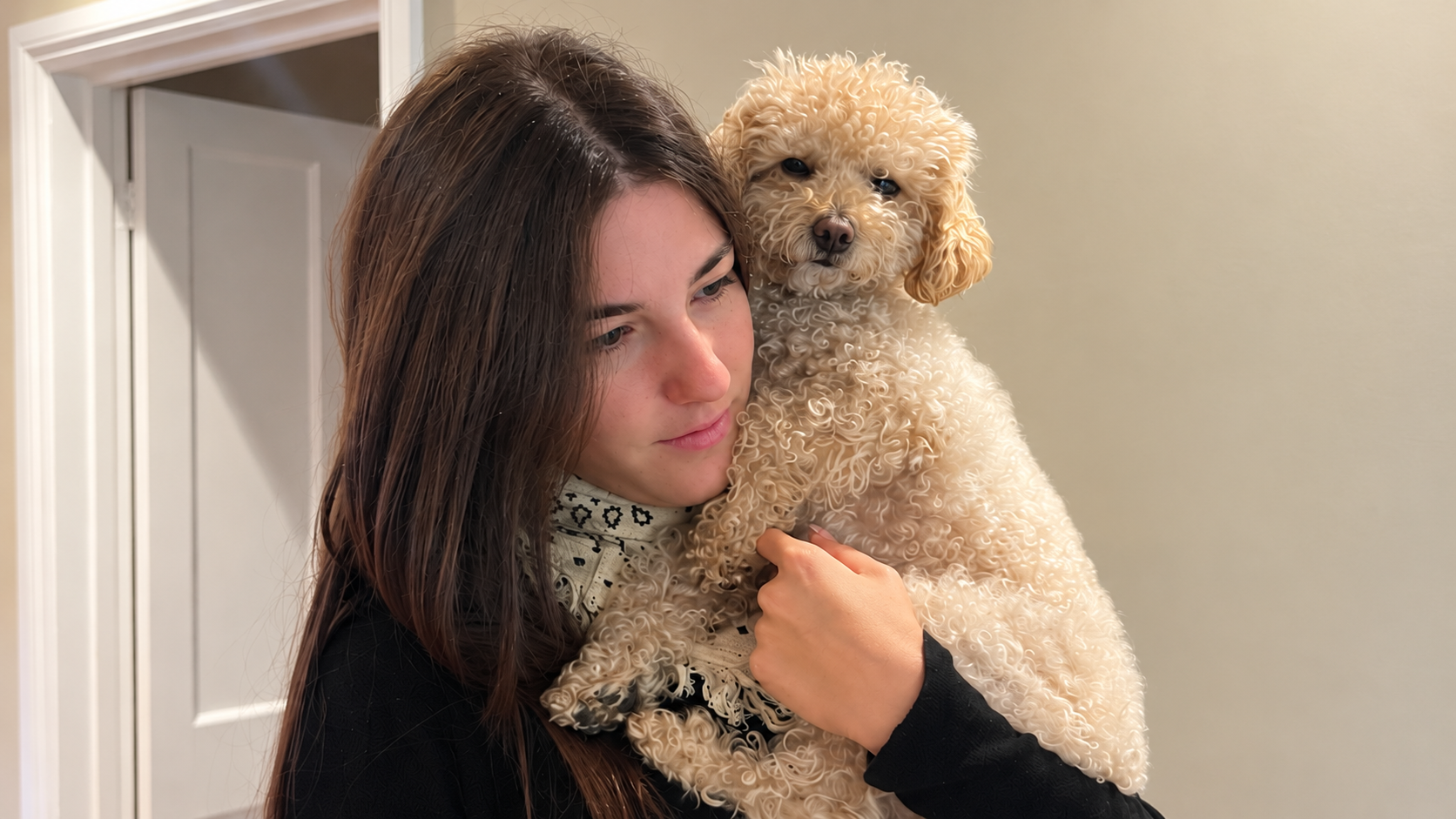
Girl cuddling a small dog
TipDogs

How Can Children Stay Safe Around Dogs? Simple Tips

Dogs can be wonderful companions, but children need to know how to interact with them safely. Learn why grown-up supervision, gentle hands and giving dogs space matter.
Pets in Wonderland editorial team17 October 20261 min read
Read the tip
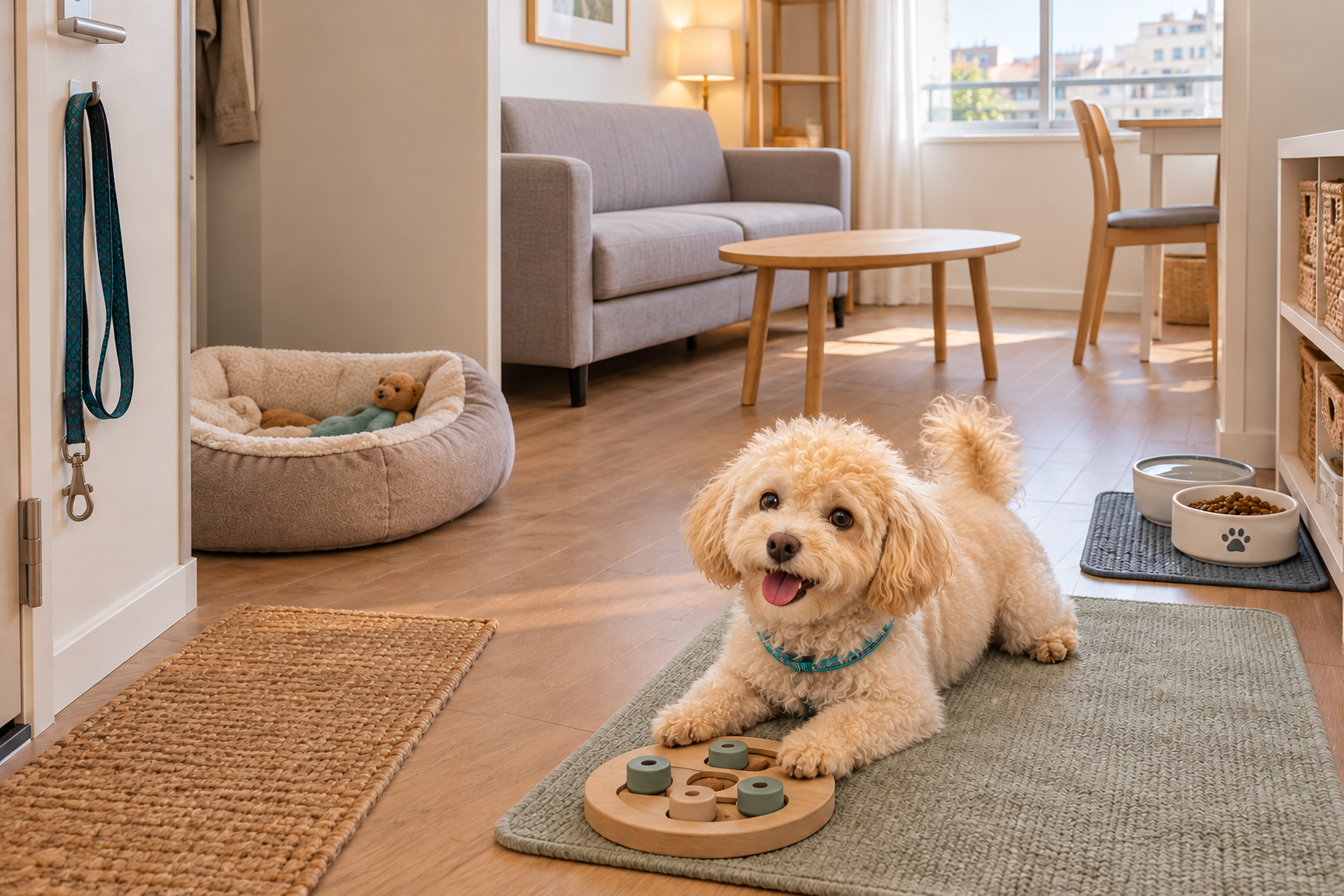
A home showing the three specified spaces: rest. play and food
TipDogs

How Do You Organise Life with a Dog in a Small Apartment?

A small home works better when your dog has clear places for resting, feeding and play, and the day has a steady rhythm.
Pets in Wonderland editorial team10 October 20264 min read
Read the tip
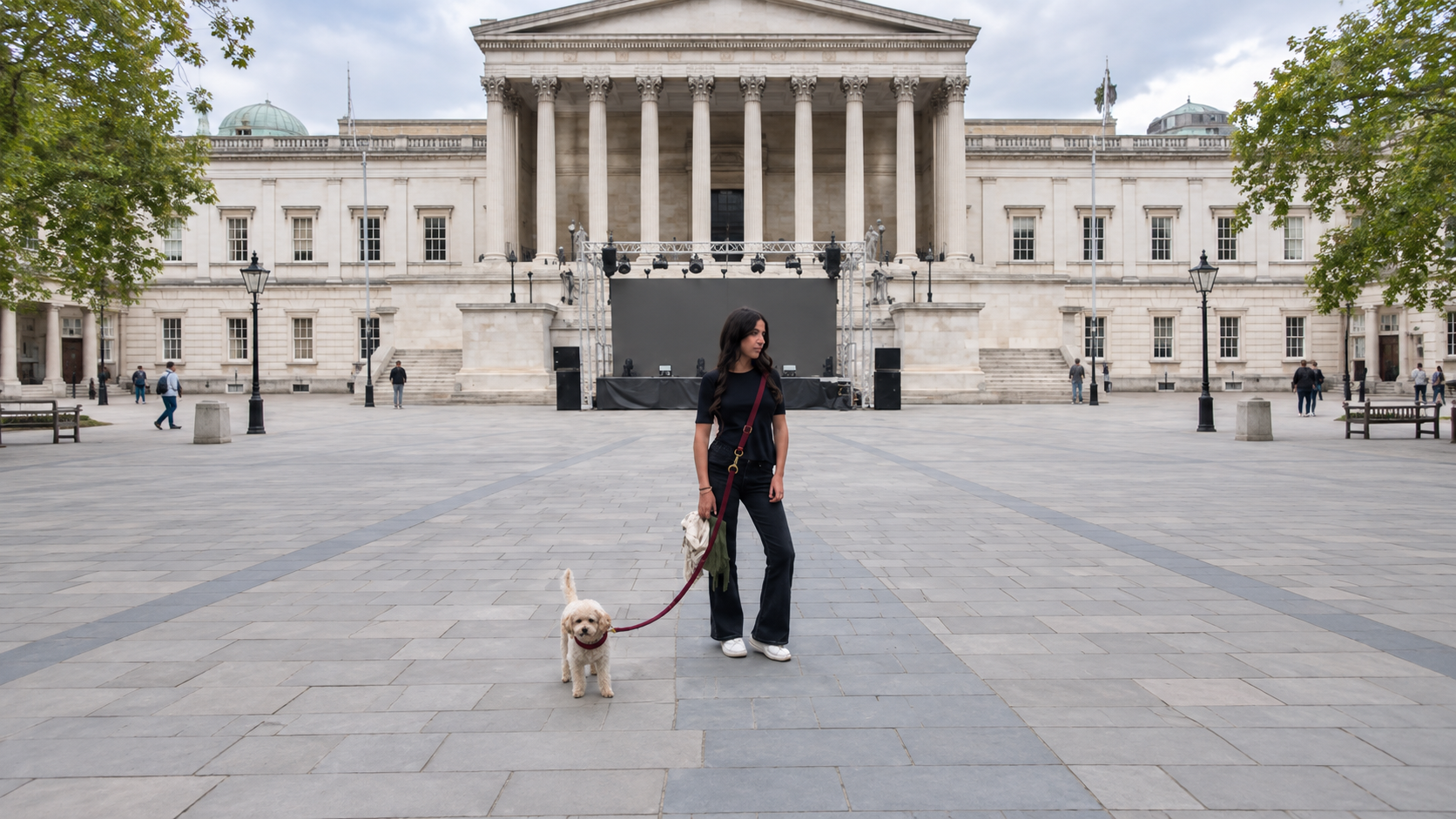
A girl with a Hands-Free Dog Lead in London
TipDogs

Are Hands-Free Dog Leads Practical for City Walks?

A hands-free lead can help when opening doors or carrying bags, but it must suit your dog’s size, behaviour and walking style.

Pets in Wonderland editorial team9 October 20262 min read
Read the tip
A Reflective Blue Dog Collar
TipDogs

How Do Reflective Dog Collars and Lights Help for Night Walks?

Reflective and light-up dog gear can improve visibility on dark walks. Found out how each option works and what to check before buying.

Barbara M9 October 20262 min read
Read the tip
A dog barking and stressed out
TipDogs

How Do You Reduce a Dog's Barking at Apartment Noises?

A quieter resting spot and gentle, reward-based practice can help a dog cope with hallway sounds without punishment or repeated exposure to distress.

Pets in Wonderland editorial team5 October 20262 min read
Read the tip
A small dog wanting to be picked up
TipDogs

How Can You Tell if Your Dog Barks When Left Alone?

A recording and a simple behaviour log can reveal whether your dog is reacting to hallway noise, struggling alone or needing a different routine.
Pets in Wonderland editorial team5 October 20262 min read
Read the tip
Small dog resting on a blanket bed indoors
TipDogs

How Can You Clean Wet or Muddy Dog Paws After a Walk?

A simple two-minute routine for cleaning and drying wet or muddy dog paws before they make a mess in a small home, using a washable mat, towel and lukewarm water.

Pets in Wonderland editorial team27 September 20262 min read
Read the tip
A young relaxed doggy
TipDogs

How Do You Stop a Dog Barking in an Apartment?

Identify the reason first. Alert barking, boredom and distress when left alone require different responses.
Pets in Wonderland editorial team18 September 20262 min read
Read the tip
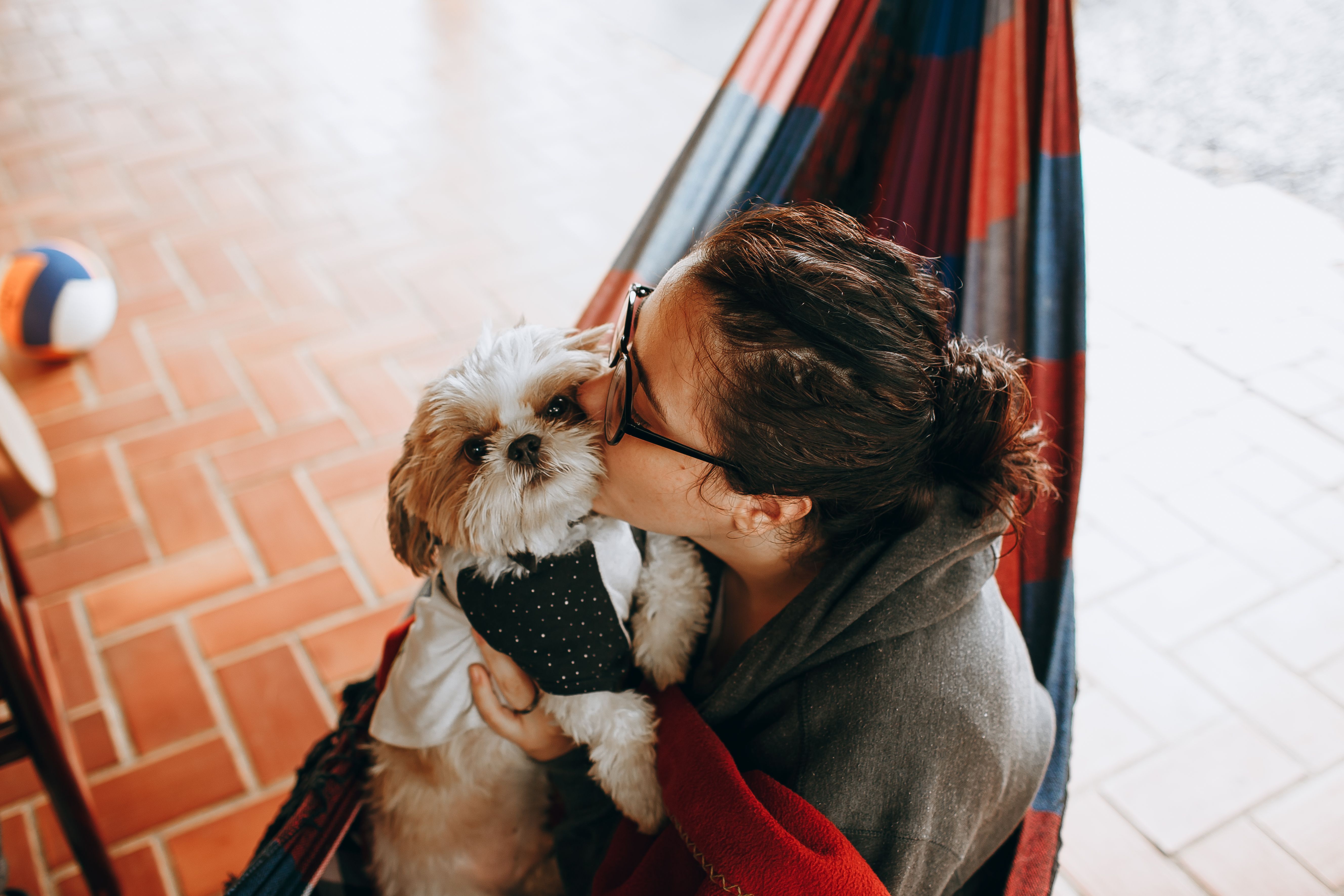
A small dog being cuddled
TipDogs

Can a Dog Be Happy in a Small Apartment?

Yes, for most dogs — but it depends on exercise, company and rest, not on floor area.
Pets in Wonderland editorial team18 September 20262 min read
Read the tip
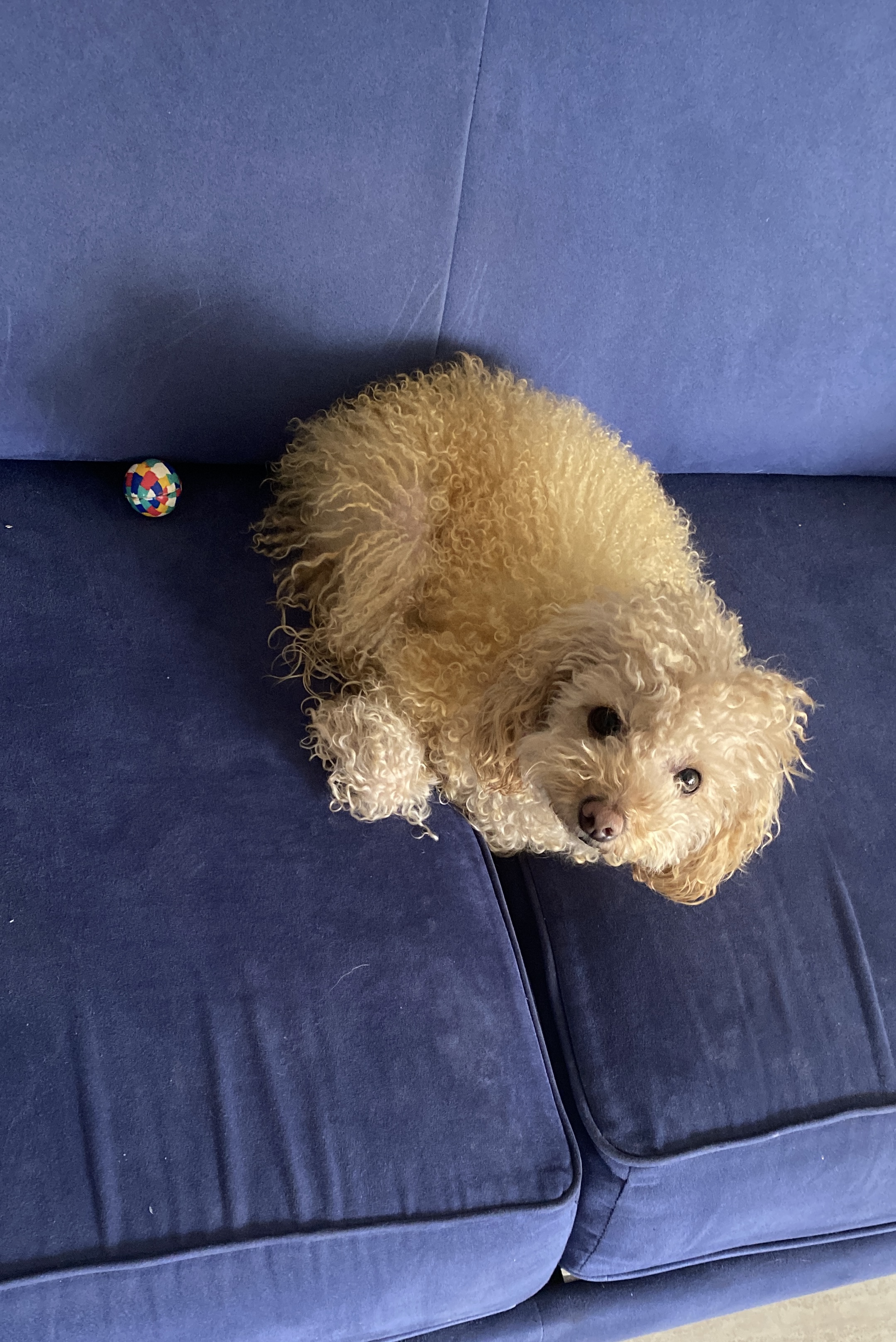
A happy dog sitting by a ball
TipDogs

Which Dog Breeds Are Best for Apartment Living?

Size matters less than exercise needs, barking, training and how well a dog copes when left alone.

Pets in Wonderland editorial team18 September 20263 min read
Read the tip
Pets inWonderland

A worldwide community sharing real pet experiences, helpful answers and practical tips for living with pets in small homes.

  • Community Rules
  • Privacy
  • Terms
  • Contact
  • Admin
© 2026 Pets in Wonderland · Community experiences are not a substitute for professional veterinary advice.