
Which Dog Breeds Are Best for Apartment Living?
No breed is guaranteed to suit apartment living, but dogs that commonly do well are those with modest exercise needs, a low tendency to bark and a good ability to settle alone — for example greyhounds, whippets, French bulldogs, Cavalier King Charles spaniels, Shih Tzus and Boston terriers. Individual temperament, training, age, health and your own routine matter more than the breed label.
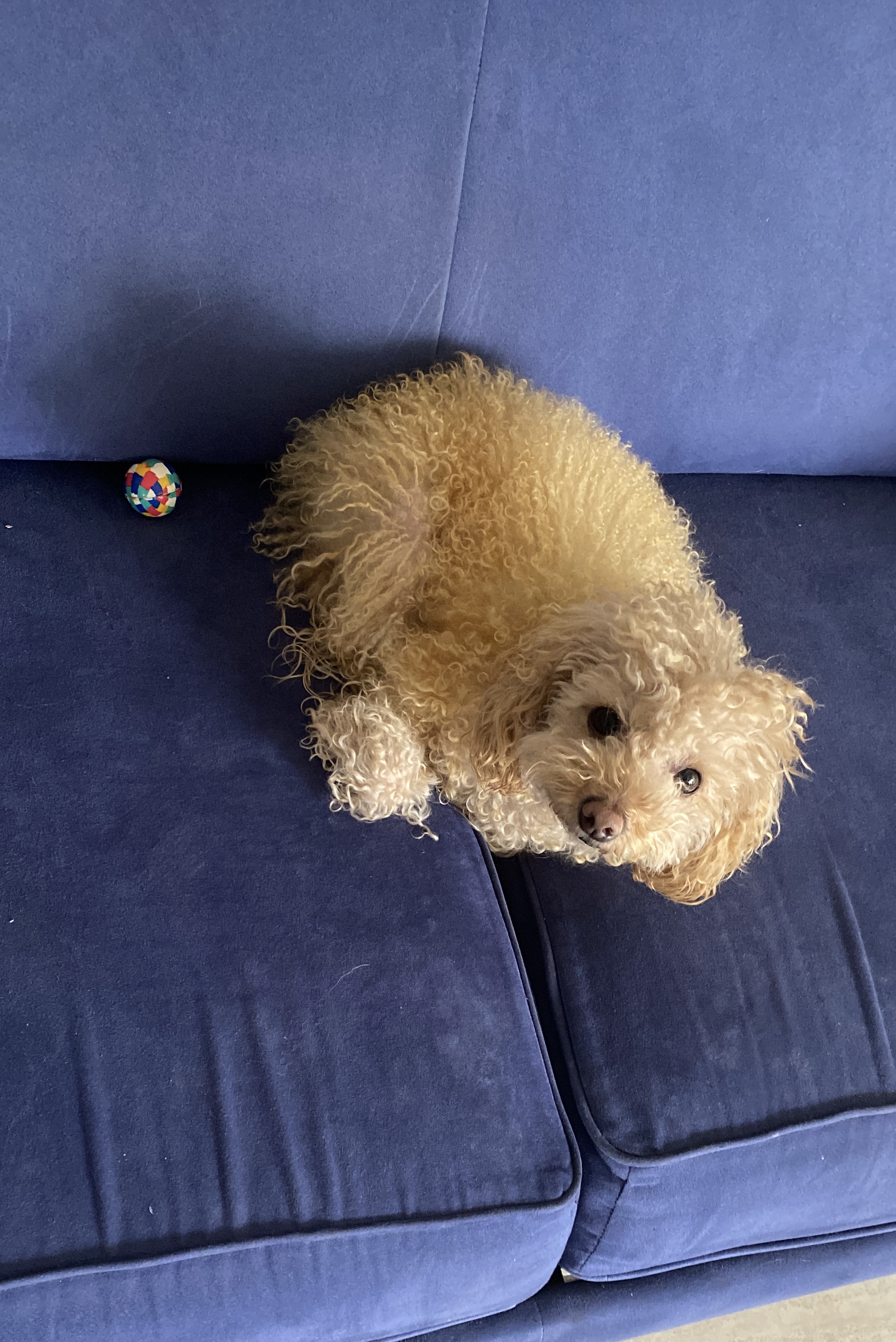
Image: AndrewB
What actually makes a dog apartment-friendly
Three things decide whether a dog settles in a studio or a one-bedroom flat: how much daily exercise it truly needs, how easily it barks, and how well it copes alone. Body size comes fourth. That is why retired racing greyhounds live happily in flats. None is impossible in a flat, but they need a genuinely active household, not simply a bigger sofa.
The table below is a planning tool. A well-exercised, well-trained dog of an "unsuitable" breed often does better than a bored dog of a "suitable" one.
Breeds that tend to do well in small spaces
| Breed | Typical weight | Energy indoors | Noise | Estimates of daily exercise (depending on dog's age, health and temperament | |
|---|---|---|---|---|---|
| Boston Terrier | 6–11 kg | Moderate | Quiet | 45 min | Sturdy and playful; usually easy in small rooms. |
| Bichon Frisé | 5–8 kg | Moderate | Moderate | 45 min | Low-shedding coat suits shared buildings; needs regular grooming. |
| Basenji | 9–12 kg | Moderate–high | Does not bark (yodels), but it can still be very vocal. | 60 min | Independent and escape-prone. |
| Cavalier King Charles Spaniel | 6–8 kg | Low–moderate | Quiet | 45–60 min | Very people-oriented; dislikes long hours alone. |
| Dachshund | 4–9 kg | Moderate | Vocal — alert barker | 45 min | Compact and hardy; limit stair use for the back, and expect doorbell barking. |
| French Bulldog | 9–13 kg | Low | 30–45 min | Little space needed; sensitive to heat. | |
| Greyhound (retired racer) | 25–35 kg | Low | Very quiet | 2 × 30 min walks | Large but famously calm indoors, given a sofa and daily walks. |
| Italian Greyhound | 3–5 kg | Low–moderate | Quiet | 30–45 min | Tiny, warmth-seeking and quiet; needs a coat in cold weather. |
| Toy Poodle | 5–8 kg | Moderate–high | Moderate | 60 min plus training | Small body, big brain; needs daily mental work. |
| Pug | 6–8 kg | Low | 30 min | Happy in one room; needs cool air. | |
| Shih Tzu | 4–7 kg | Low | Quiet | 30 min | Content with indoor play; keep walks cool and gentle. |
| Whippet | 10–16 kg | Moderate | Very quiet | 45–60 min with sprints | Needs short bursts of hard running, then settles completely. |
Breeds that may need more activity or specialist management: - Siberian Husky and Malamute — high stamina and very vocal. - Beagle — friendly but a motivated howler. - Jack Russell Terrier — small body, enormous drive. - Livestock-guardian breeds — bred to bark.
Before you choose:
- Count your daily minutes honestly, not your best week.
- Plan alone time carefully, many dogs struggle when left alone, so introduce gradually and watch for signs of separation-related distress, particularly in shared buildings where barking may affect neighbours.
- Consider age: puppies need frequent toilet trips, and older dogs may need help with stairs.
Sources and further reading
- The Kennel Club — breed information
- American Kennel Club — breeds
- RSPCA — dog welfare
- Dogs Trust — advice
This practical tip is general information, not veterinary advice. For anything specific to your animal, please speak to a qualified vet.