
How Do You Reduce Cat Litter Box Smell in a Studio Apartment?
Reduce litter box smell by removing waste promptly, washing the tray regularly and using an unscented litter your cat accepts. Check for urine outside the tray and improve ventilation safely; perfume and a covered box can disguise the problem without solving it.
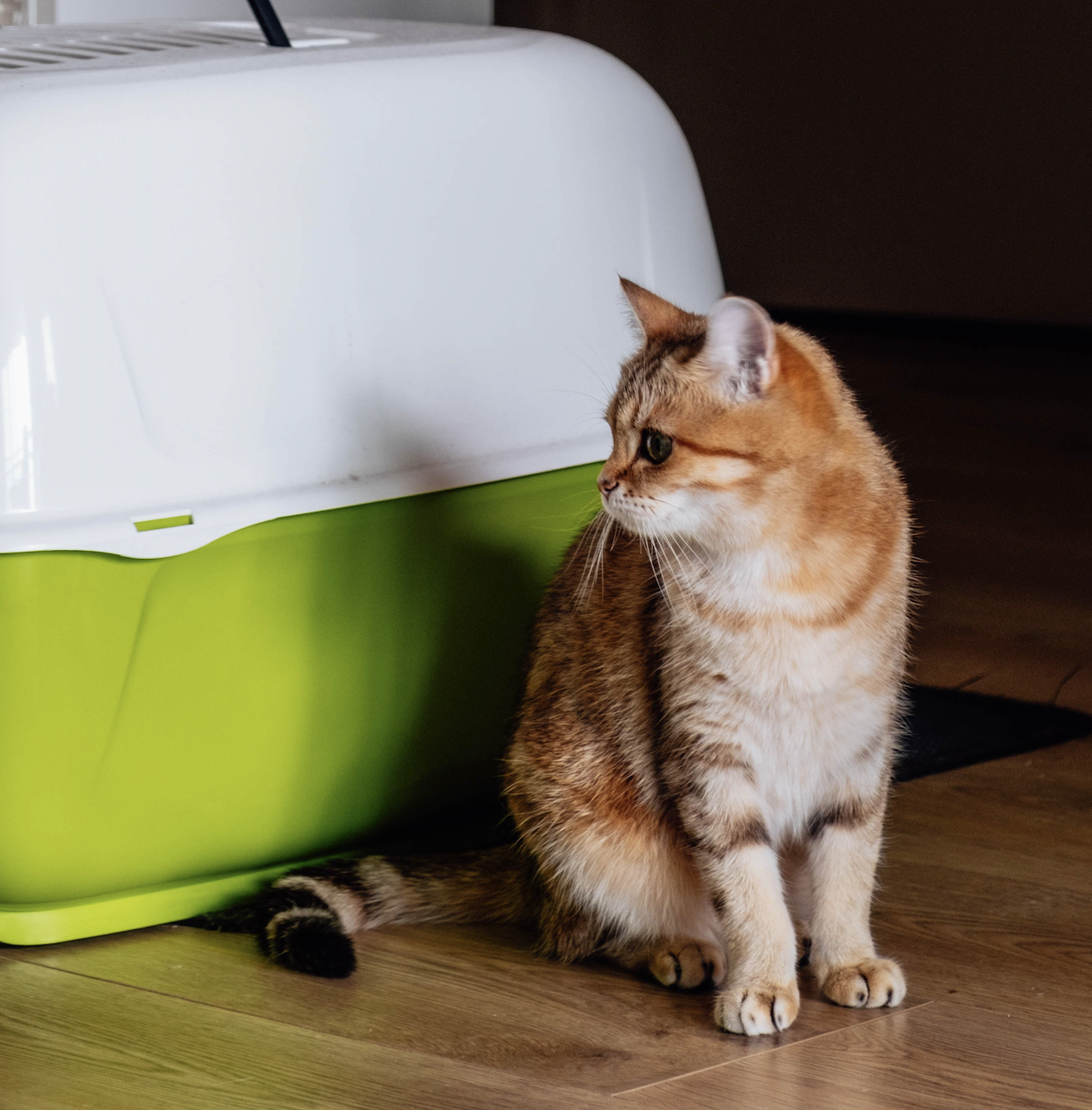
Image: Mustafa Bodur
1. Start with the source of the smell.
- In a studio, a small amount of waste can be noticeable throughout the room. Before buying a deodoriser, check whether the smell is coming from the litter itself, a dirty tray, spilled waste or an accident nearby.
- Scoop. At least daily and remove fresh waste sooner when possible. Put it in a closed waste bag and take it out regularly. Keep a small cleaning kit close to the tray so the routine is easy to maintain.
- Clean the tray as well as the litter
- Empty and wash the tray regularly with mild, unscented soap or a cleaner labelled suitable for cats. Rinse thoroughly and dry it before refilling. Many welfare organisations recommend a weekly full clean; the litter type, number of cats and condition of the tray may mean cleaning sooner.
- Follow the litter manufacturer's replacement instructions. Adding fresh litter to a saturated tray will not remove old urine. If a tray retains a smell after a proper wash, inspect it for damage and consider replacing it.
- Choose comfort over fragrance
- Use an unscented, low-dust litter that your cat is comfortable using. If you want to change litter, offer the new option in a separate tray rather than replacing every familiar tray at once.
- A hood or furniture enclosure is not an automatic solution. It can hold odour inside the space where your cat has to toilet. Check that the tray remains roomy, accessible and easy to clean.
2. Make the location work.
- Choose a quiet, accessible position away from food and water. Do not hide the tray behind a door that is frequently shut or beside a noisy appliance. Ventilate the room while keeping windows secure for your cat.
- Clean urine outside the tray with a cat-compatible enzymatic cleaner according to its label.
- Test it on a hidden area of carpet first, and keep your cat away during cleaning until the area is ready for use.
3. When to seek help.
New accidents, straining, pain or a change in urination need veterinary advice. A cat repeatedly trying to urinate but producing little or nothing needs urgent veterinary attention. Do not treat a change in toileting as a cleaning problem alone.
Sources and further reading:
Cats Protection - choosing cat litter: https://www.cats.org.uk/cats-blog/how-to-choose-the-best-cat-litter-for-your-cat
Battersea - litter tray setup: https://www.battersea.org.uk/pet-advice/cat-advice/best-litter-tray-set-up
Cats Protection - urinary problems: https://www.cats.org.uk/help-and-advice/health/urinary-problems
Sources and further reading
- Cats Protection - choosing cat litter
- Battersea - litter tray setup
- Cats Protection - urinary problems
This practical tip is general information, not veterinary advice. For anything specific to your animal, please speak to a qualified vet.