
How Do You Reduce Ferret Smell in a Small Apartment?
Reduce ferret odour by cleaning toilet areas, washing bedding and ventilating the apartment safely. Ferrets have a natural musky scent that cleaning cannot remove completely; frequent bathing or perfumes are not a lasting solution, and an unusual change in smell needs veterinary advice.
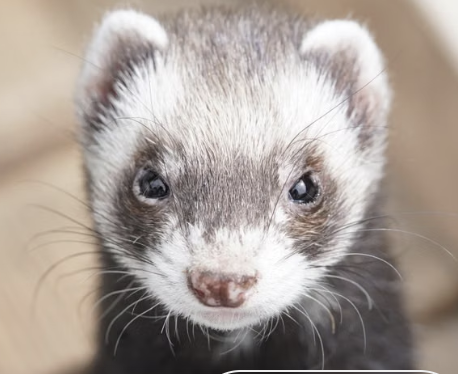
Image: Verina
1.Identify what actually smells
Ferret body scent, dirty bedding, waste and an unnoticed toilet corner are different sources of odour. Start by checking each area rather than washing the animal first. Normal musk remains even in a clean home. Set expectations before adopting: an apartment should be hygienic, but it will not become scent-free simply because you buy a different cleaner.
2.Make toilet areas easy to maintain
Inspect trays and chosen toilet corners every day and remove waste promptly. Keep the tray stable and accessible, and use appropriate litter. If accidents repeatedly happen in another corner, review the layout instead of assuming the ferret is deliberately misbehaving. Use a cleaner suitable for the animal and the surface, following its instructions. Keep ferrets away from cleaning products and return them only when the area is ready for use. Strong fragrance can conceal a source you still need to remove.
3. Rotate washable bedding
Check hammocks, sleep sacks, blankets and the fabric inside favourite hiding places. Wash dirty bedding and dry it fully before putting it back. Keep spare sets so cleaning does not remove every comfortable resting place at once. Create a simple rotation you can maintain rather than waiting until the whole apartment smells. Follow textile washing instructions and use products suitable for pets without added heavy fragrance.
4. Ventilate without opening an escape route
Refresh the room's air while keeping doors, windows and gaps secure. Maintain a comfortable environment and check that a warm, enclosed sleeping area is not accumulating dampness or stale air. Avoid using aerosols, perfumes or scented products on the ferret to disguise musk. Frequent baths can irritate the skin and will not permanently remove natural scent. Ask your vet when bathing is appropriate for your individual ferret.
5. Notice changes
A new or unusually strong smell, skin changes, dirty fur, diarrhoea or other signs of illness deserve veterinary advice. Reproductive management also needs a ferret-experienced vet; it should not be treated as a cosmetic odour fix.
If you are still considering adoption, spend time with ferrets and ask to see a normal home setup. Knowing the scent before bringing them home helps you decide whether the arrangement suits your household.
Sources and further reading:
- PetMD - ferret care sheet: https://www.petmd.com/ferret/ferret-care-sheet
- VCA - skin diseases and normal ferret odour: https://vcahospitals.com/know-your-pet/skin-
- RSPCA - ferret environment: https://www.rspca.org.uk/adviceandwelfare/pets/ferrets/environment
Sources and further reading
This practical tip is general information, not veterinary advice. For anything specific to your animal, please speak to a qualified vet.