
Can You Soundproof an Apartment for a Parrot?
Ordinary furnishings may reduce echo, but they cannot reliably prevent a parrot's calls from reaching neighbours. Meaningful sound isolation needs an assessment of the building; any changes must preserve ventilation and keep unsafe materials out of the bird's reach.
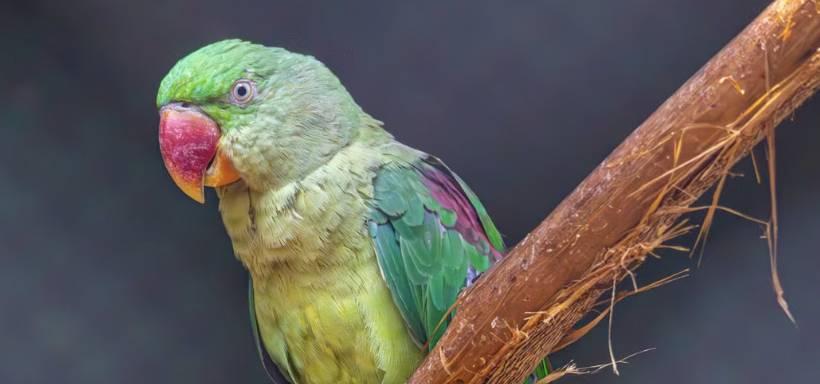
Image: Regan Dsouza
1. Separate echo from sound travelling next door
A room with hard surfaces can make calls sound more reverberant indoors. Soft furnishings may change that echo. This is different from stopping sound passing through a wall, door, floor or ventilation route. Do not assume that inexpensive acoustic panels will make the apartment quiet for neighbours. If noise transmission is a major concern, ask an acoustics professional to assess the building and explain what an intervention can realistically achieve.
2. Choose a better position where possible
Consider a suitable bird area farther from shared walls and the building entrance. The location still needs appropriate light, ventilation and daily interaction. Moving the cage to an isolated cupboard or an unsuitable room is not a noise solution. Assess the rest of the home too. Cooking fumes, aerosols, smoke and certain overheated coatings can be dangerous to birds. Keeping air safe matters more than closing off every route through which sound travels.
3. Make changes the bird cannot damage Keep soft furnishings, wires, fixings and acoustic materials outside chewing reach. Check materials with an avian vet before placing them near the bird, especially anything releasing odours, shedding fibres or exposing adhesives. Do not enclose the cage in a soundproof box or block ventilation openings. Follow tenancy and building requirements for alterations, and use competent advice for structural work.
4. Manage the routine without expecting silence
Parrots vocalise naturally. Keep a predictable routine, provide appropriate activity and social contact, and notice when calling occurs. Meet the bird's needs before assuming every loud call is a training problem. Reward appropriate calm behaviour. Avoid shouting back or using a cage cover as a punishment. Seek help from an avian vet or qualified bird behaviour professional for persistent or changing behaviour.
5. Be realistic before adoption
Ask about the species and the individual bird, speak with neighbours where appropriate and consider whether the building can accommodate normal calls. A noise-management plan cannot promise a silent parrot. If the home requires near silence, reconsider suitability before adopting.
Sources and further reading:
- Merck Veterinary Manual - household hazards for birds: https://www.merckvetmanual.com/bird-owners/routine-care-and-safety-of-birds/household-hazards-for-pet-birds
- VCA - biting and screaming in birds: https://vcahospitals.com/brentwood/know-your-pet/biting-and-screaming-in-birds
- RSPCA - bird care: https://www.rspca.org.uk/adviceandwelfare/pets/birds
Sources and further reading
This practical tip is general information, not veterinary advice. For anything specific to your animal, please speak to a qualified vet.